

A home can look perfectly fine and still be bleeding money. Quietly. Politely. Like a sneaky little villain wearing slippers. And the problem I’m talking about is a slow water leak. The kind that doesn’t gush. It just drips and grins so badly that it makes your home full of problems. But how come that “small” problem becomes an expensive problem in no time?
Why Slow Leaks Are the Worst Kind of Drama
A slow leak feels minor because it doesn’t cause instant chaos. No floods. No panic towels. Just a tiny drip that seems too small to matter. That drip is patient, and patience is expensive in a house. Water spreads, even when you can’t see it. It seeps into wood, drywall, and the bottom of cabinets. It feeds mold and warps surfaces over time.
The Sneaky Places Leaks Love to Hide
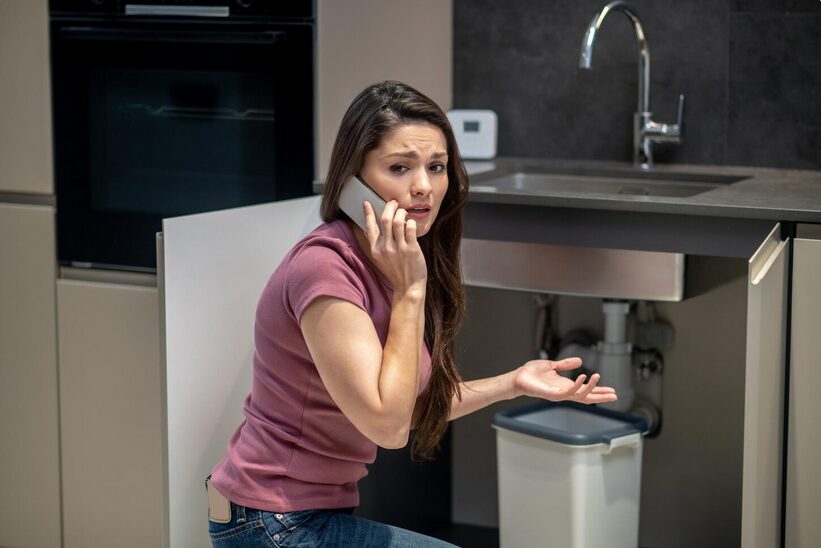
Under sinks is the classic spot, but leaks get creative. They hide behind toilets, under dishwashers, near washing machines, and around water heaters. They also show up where pipes meet, because connections loosen over time. Any place that vibrates, shifts, or gets used daily is a prime suspect. Your house may try to “hint” without using words. A musty smell, bubbling paint, a cabinet base that feels soft, or a random warm spot on the floor can all be clues. You might see tiny brown stains that look like old coffee splashes. Or you’ll hear a faint drip at night and think, “Is the house haunted?” Spoiler: it’s plumbing.
The Money Trail Adds Up Faster Than You Think
Leaks don’t just damage materials; they inflate your water bill. A small drip can waste a surprising amount of water over weeks. Then the moisture starts wrecking what it touches. Cabinets swell. Floors buckle. Baseboards curl like they’re trying to escape. It’s a slow-motion budget attack. Repairs also stack in layers. First, you fix the pipe. Then you replace the soggy cabinet panel. Then you address mold, because it rarely packs up on its own. Then paint, trim, maybe flooring. One “tiny” leak can turn into a full weekend of receipts and regret.
Quick Signs You Should Never Ignore
If your water bill jumps and nothing about your routine changed, take that seriously. If you smell mildew but your laundry is clean, take that seriously too. If you see corrosion on a valve or greenish crust on a pipe, that’s not “character.” That’s a warning label. Touch-check helps more than people think. Run your hand along the cabinet floor under the sink. Press gently near the toilet base. Look for moisture rings under cleaning bottles that never spill. If something feels damp, spongy, or weirdly swollen, don’t negotiate with it. Water always wins negotiations.
What to Do Today So You Don’t Pay Later
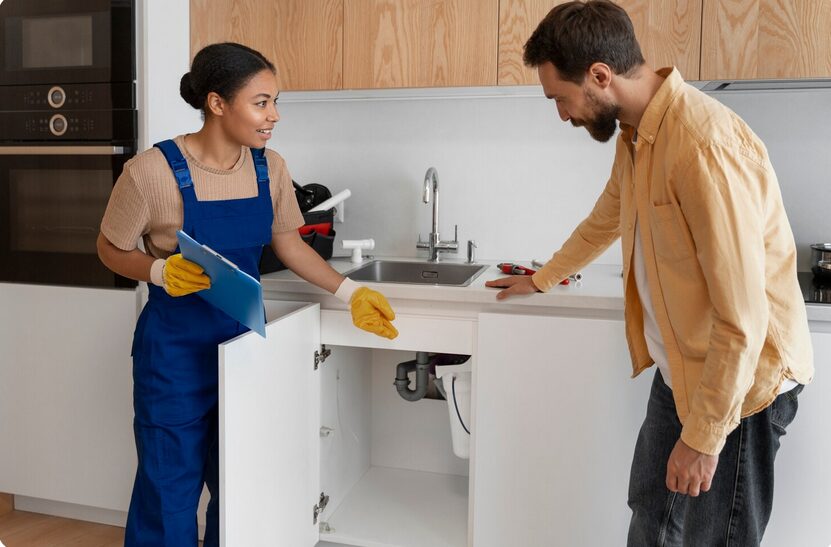
First, do a five-minute leak sweep. Open the sink cabinet, look at the P-trap, and check the shutoff valves. Peek behind the toilet with a flashlight. Look under the dishwasher edge and around the washing machine hookups. You’re hunting for wet spots, rust, stains, and that “why is this sticky” feeling. Next, know where your main water shutoff is. It’s the home version of knowing where the fire extinguisher lives. Also, fix the easy stuff fast: tighten loose connections, replace worn washers, and swap a crusty supply line before it bursts. If you suspect a hidden leak, call a plumber sooner, not “after one more week.”